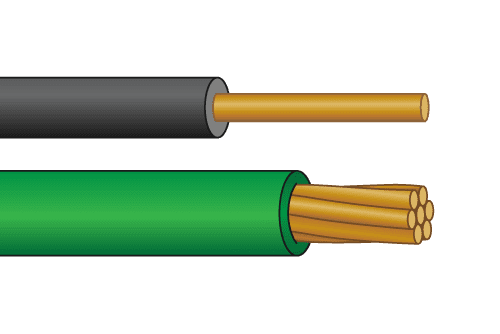
If you ever installed an underground pipe or other utility, you likely worked with tracer wire. 

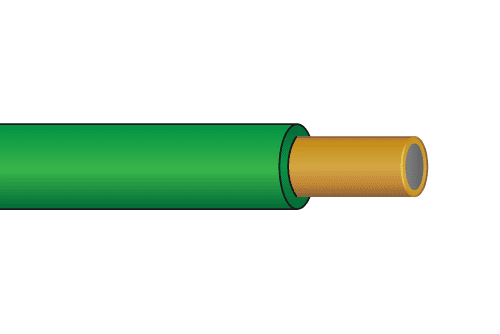
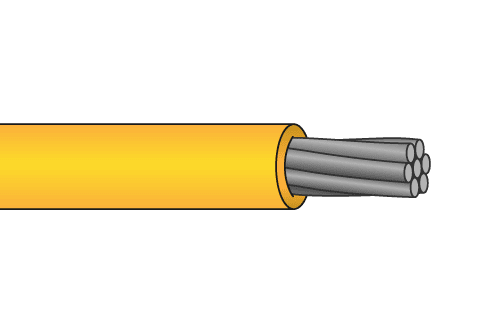
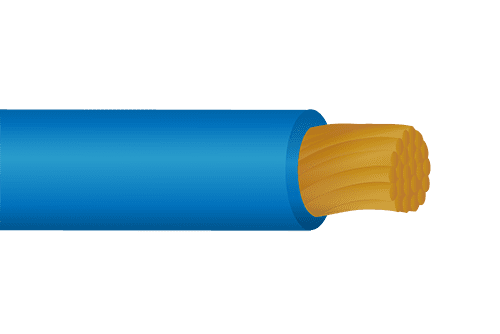
Also called locating or locator wire, workers lay this single conductor wire along pipes and underground utilities during installation. Once installed, tracer wire helps workers find those assets later, hence its name. Customers can choose from copper, copper clad steel, and stainless steel, along with several insulation options. 

Though most of the wire is buried underground, each dead end is connected to a grounded point. This connection creates a properly grounded tracer wire system easily tracked by above-ground locating equipment. 

To find underground wires, crews use a wire tracer – an above-ground device emitting a low-frequency signal. Using the wire tracer eliminates the need to send electricity through the wire to find underground assets. 

Why Using Tracer Wire Matters

In many cases, we don’t know about potential risks or dangers until we’ve already made a mistake. 

When crews don’t know where underground utilities are, they risk digging into active lines. Although some damage, like cutting through a telecom line, is an inconvenience for homeowners, others are more sinister. Puncturing a buried gas or electric line could cause severe harm, including explosions or electrocution. Tracer wire systems protect workers from harm while improving asset location and helping with utility mapping. 

Long story short: tracer wire effectively finds lines, allowing crews to more accurately dig around pipelines and cables. The result is safer maintenance, repair, and replacement operations with less risk of accidents. 

But tracer wire isn’t a one-trick-pony, either. Other variations of tracer wire are integral to directional drilling applications, irrigation, and golf course sprinkler systems. Did you know KrisTech Wire started by selling tracer wire to golf course developers?

One Wire, Dozens of Options 

Although tracer wire may look like a simple product, that couldn’t be further from the truth. Locator wire is highly customizable, making it an excellent choice for protecting both metal and non-metal underground assets. 

A Rainbow of Applications 

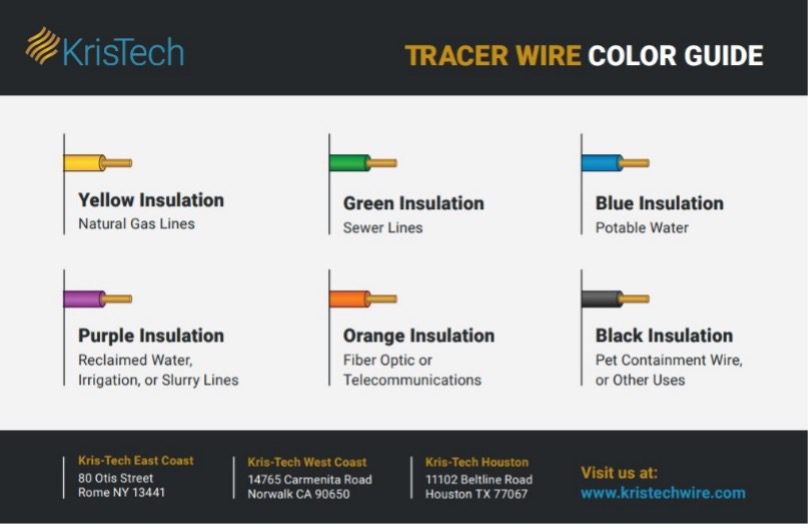
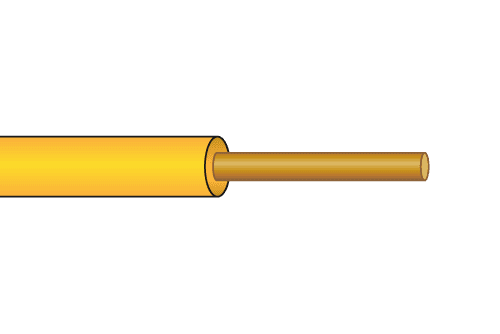
Let’s start by looking at what color choices are available. Tracer wire comes in a variety of colors, including those dictated by the American Public Works Association (APWA). When utilities and work crews use the colors correctly, they alert workers to what types of underground assets they may find.  

For example, if you see a blue tracer wire, you’re most likely tracing a potable water line, while yellow marks gas lines. Other colors, like red, orange, and green, signify electrical lines, telecom cables, and sewer lines, respectively. 

But utilities and construction crews aren’t the only ones who might be familiar with using tracer wire. Homeowners may use black tracer wire in dog fence systems to keep their pets safe on their property. 

Clearly understanding which color correlates to what utility is critical to supporting safety. Getting it wrong can lead to dangerous situations. For example, if someone sees a blue tracer wire, they may assume it’s marking a potable water line. But if someone used blue to mark electrical lines (red) and another person cuts into the cable thinking it’s a water line, they could be electrocuted. 

The APWA’s color codes keep work crews and bystanders safe! Check out our infographic and color code guide for more information on assigned APWA tracer wire installation colors. 
Configurations Galore 

You wouldn’t wear a tuxedo to a cookout, and the same applies to tracer wire configurations. 

Depending on the application, you may need more strength, flexibility, or durability. Luckily, tracer wire offers several options to address specific needs. 

Copper – This is the most common conductor type used for general tracer wire projects, including utility marking. Copper is resistant to corrosion, flexible, and can last for decades underground thanks to its HDPE insulation. 

Copper Clad Steel (CCS) – When the job calls for durability and strength, CCS is a smart choice. This metallurgically bonded conductor combines the strength of its steel core with the conductivity and corrosion resistance of copper. The result is a tracer wire perfect for directional drilling and pipe burst projects. 

Depending on the application, CCS has several varieties, including Dead Soft Annealed, Stress Relieved, High Strength, and Extra High Strength. Dead Soft Annealed tracer wire works a lot like copper wire and is highly flexible. Extra High Strength, meanwhile, is hard-drawn and extremely rigid, making it perfect for trenchless projects. 

Bonus benefit – CCS is also less attractive to thieves, since the wire has only a small amount of copper. 

Stainless Steel (SS) – When mechanical and breaking strength are critical, stainless steel tracer wire delivers. You’ll find stainless steel wire used in severe environments, like directional drilling, and in high stress, harsh conditions. 

Stainless steel wire has an incredibly high tensile strength and is crush, chemical, abrasion, and moisture resistant. 

Tracer Wire: A Low-Cost Protection Plan 

We’ve said it many times before, and the idea still stands; tracer wire is a low-cost insurance policy.  

If used correctly, it helps prevent costly mistakes from occurring while workers perform repairs and installations. And unlike THHN, which quickly degrades because of its weak nylon insulation, tracer wire will last for decades. 

There you have it, your quick-hit guide to understanding tracer wire without the jargon! If you still have questions or need help deciding what product works best for your application, reach out. Our team can help you decide, so you can get back to work safely and efficiently.

Related Products

VIEW ALL PRODUCTS