
If you opened your electric bill over the winter and fell to your knees, you’re not alone. Electricity usage in the United States has exploded, as have costs.
Data from the U.S. Energy Information Administration paints a less-than-rosy picture. According to the organization, electricity consumption grew by 2.7% in 2025, driven by several factors, including:
The EIA doesn’t expect consumption to slow down, either. Their data suggest electricity use could grow by 1.4% this year and 2.5% in 2027.
For the average user, though, it feels like the walls are closing in with no escape.
Electricity costs reached $.192 per kilowatt-hour (kWh) in January 2026, up nearly four cents since the start of 2022.
Previously, renewable energy sources like solar offered homeowners an opportunity to reduce costs by producing low-cost power. Additionally, federal incentives through the Inflation Reduction Act (IRA) allowed for a 30% tax credit for installed systems. However, under the Trump administration, the credit was sunset in 2025.
While it’s a setback, residential PV is still a worthwhile investment for homeowners, renters, and other consumers. They only need to find a new way of indirectly accessing funds.
Though losing some federal support and tax credits has been a tough pill to swallow, the solar industry is resilient.
The Residential Clean Energy Credit (Section 25D) was popular with homeowners because of its 30% ITC for PV installations. When the government phased out the credit in December 2025, it left residents paying more for solar systems.
But when one door closes, another one always opens – or in this case, maybe a window. Although residents can’t utilize the Residential Clean Energy Credit, indirect federal tax credits are available.
One way to encourage solar energy production and reduce costs for consumers is through power purchase agreements (PPAs).
In this scenario, consumers invest in solar energy through commercial companies, either by entering into a lease or PPA. Commercial companies or utility operators build the solar farm, then apply for a federal 48E tax credit. If they receive it, the company then passes the savings on to customers through lower energy bills.
If PPAs or leases aren’t available, residents and homeowners still have options. Depending on the location, many states and some localities offer incentives to encourage solar development. One place to look is DSIRE, a nationwide database of incentives designed to increase the adoption of renewable energy.
For those who want to produce their own power on a budget, ultra-small solar may be an option.
At least 24 U.S. states have presented bills to create opportunities for ultra-small solar installations, including on balconies. In 2025, Utah became the first state to pass an ultra-small-scale solar installation law, which allows residents to generate power using wall socket solar systems. These installations include a couple of solar panels and generate enough power to charge laptops or TVs.
And while they might not generate enough electricity to power an entire apartment, the systems pull their weight. Ultimately, the goal for homeowners and renters is to curb costs with innovative renewable technologies.
Of course, there are still wrinkles that utilities, municipalities, and states need to iron out. Some local utilities still have questions about balcony systems, particularly around safety.
When outages occur, utilities deploy workers to repair lines and restore power to homes and businesses. However, homes with balcony solar systems may still generate electricity, sending power to the grid. Utility companies fear workers could potentially injure themselves if they unknowingly work on a system with multiple power generation sources.
Utilities also cite potential shock hazards for residents who plug the systems into their homes. They worry that the generated electricity in the system could shock people when they unplug the unit from an outlet.
To combat the issue and prevent accidental shocks, UL won’t certify plug-in systems without safety features for plugs. Additionally, many states include product safety requirements like UL certification in their proposed legislation.
Despite political headwinds causing a stir in the renewable industry, solar energy is still expanding in the United States.
We’re already seeing the future of solar development take hold, with new solar projects incorporating battery storage. For years, solar has suffered from consistency concerns, but battery energy storage systems reduce peaks and level out energy discharge.
In fact, solar growth has been the backbone of new energy production in the U.S. for several years. Its ongoing adoption will also likely play a role in addressing our rising electricity use.
According to EIA data, solar, wind, and battery storage could comprise 99% of new electricity generation in 2026. More importantly, the agency’s current projections estimate total renewable energy generation increasing from 18% in 2025 to 21% by 2027.
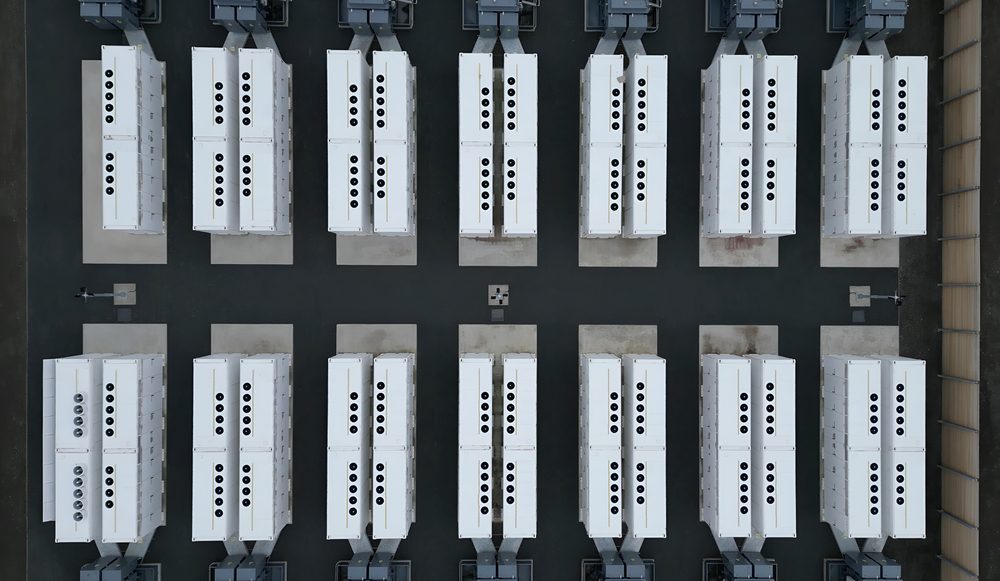
The change in our national energy mix comes at a perfect time, too. As the nation moves away from coal, solar, wind, and battery storage will likely fill the void. The EIA reports that solar energy generation may increase by 17% this year and 23% in 2027. The same goes for wind energy, with increases of 6% and 7%, respectively.
Stronger renewable performance is also tied to the meteoric rise of battery energy storage systems, which has been a boon for many industries. These systems make utility-scale solar and wind more efficient and have been a key for driving data center growth.
Electricity prices are projected to remain high for some time, leaving homeowners and residents looking for answers.
Ultra-small balcony PV systems offer a cost-effective way to reduce energy costs with a low upfront investment. At around $2,000, plug-in systems can pay for themselves in a few years.
Balcony units and other plug-in solar options are also more accessible than larger residential options. For example, a backyard solar project can cost $20k, and isn’t available for renters. Balcony units, however, install almost anywhere, move with renters, and have a smaller footprint.
And in those cases where physical installations aren’t possible, PPAs and community solar options can save residents cash. Subscription plans and leases promote the benefits of clean, low-cost energy without the on-the-ground commitment.
All things considered, the solar industry is poised for growth, despite a lack of federal support.
Solar PV costs have fallen dramatically over the past decade, and could fall further, thanks to reshoring and domestic manufacturing. Beyond that, interest rate cuts could make solar installations more affordable across the board – for both homeowners and utilities.
Meanwhile, tech companies like Meta, Amazon, and Microsoft are funding solar projects to power data centers. Data centers draw a jaw-dropping amount of electricity, so powering them with “Solar + Storage” installations reduces grid strain. The battery storage also mitigates potential concerns about inconsistent production associated with solar and wind.
The solar industry is in a unique position, but one with a high upside. Technology is improving rapidly, keeping material costs low and encouraging development. Simultaneously, the need for more diverse energy options beyond fossil fuels is spurring continued investment across the U.S.
When the plan is to reduce electricity prices and generate clean, renewable energy, solar stands ready to succeed.