KrisTech offers a comprehensive line of wire and cable products engineered for performance and reliability across every application.

Building Wire
By Gino Geruntino | Reviewed By Aaron Reighard
What Is XHHW-2 Wire Used For?
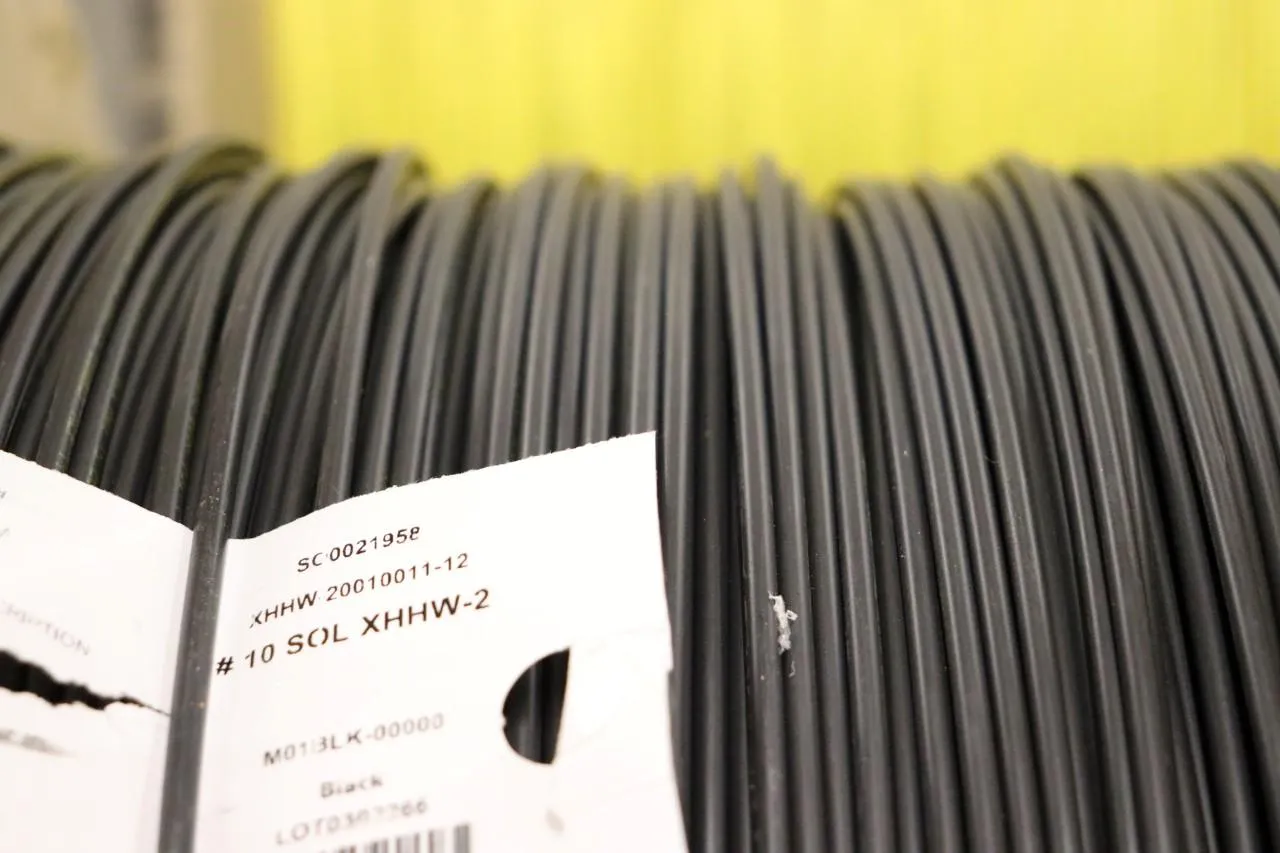
Many electrical workers consider XHHW-2 a workhorse wire because of its durability, flexibility, and performance across many applications.
The wire performs well across many environments, including indoor, outdoor, and heavy-duty applications. But what makes XHHW-2 so versatile compared to other popular wire choices?
What is XHHW-2 Wire?
XHHW-2 is a single-conductor copper building wire designed for harsh environments.
With its concentrically applied XLPE (crosslinked polyethylene) insulation, it’s suitable for demanding environments such as wastewater treatment plants, cogeneration power plants, and the pulp and paper industry. The wire type is also used in low-voltage power and control applications, underground ducts, in raceways, and in aerial installations.
Standard XHHW-2 wire products also meet strict UL rating specifications and safely operate in temperatures from –40°C to 90°C in wet and dry locations. However, KrisTech's wire is rated for up to 105°C in dry locations.
Additionally, the conductor's XLPE insulation gives it several advantages, including oil and gas resistance, sunlight resistance, and an FT2 flame rating. In special circumstances, optional VW-1 and CT (FT4) flame ratings may also be available.
XHHW-2 vs. THHN
More electrical workers are switching from THHN to XHHW-2 for installations. But despite many similarities, XHHW-2 and THHN have several key differences.
The most glaring difference is the type of insulation used to protect each conductor. THHN has a thermoplastic insulation, which is cost-efficient but can melt if exposed to high heat. XHHW-2, on the other hand, features a thermoset insulation, which gives the wire more overload tolerance and heat resistance.
With its thermoset XLPE insulation, XHHW-2 is a much better choice for most industrial or commercial applications, including:
- Underground installations
- Industrial applications
- Tight spaces
- Enclosed areas
- Conduit runs, including runs with tight bends
- Outdoor projects
In these situations, XHHW-2's rugged insulation better protects the conductor inside from exposure to chemicals, abrasion, moisture, sunlight, and more. XHHW-2 is also more flexible than THHN, making it easier for workers to install in tight areas, around corners, and long runs.
Although more installers are increasingly turning to XHHW-2 for commercial and industrial projects, THHN still has its merits. The wire is often cost-effective, easy to buy quickly, and works well for applications where the wire won't be buried underground or be exposed to chemicals and high heat.
Common XHHW-2 Applications
Like other versatile wires, XHHW-2 has many applications across commercial and industrial locations, including:
Commercial Applications
XHHW-2 has many uses in commercial locations, including lighting, power, and branch circuits in HVAC systems and feeder runs.
The wire is suitable for use in conduits, ducts, and other approved raceways, and performs well in damp or wet areas without derating. It's also a good option for installations where moisture and heat are issues, or where durability is a concern.
Industrial Facilities
Electrical workers like XHHW-2 for industrial applications because it's designed for harsh environments, but flexible enough to tuck into safe areas and tight spaces.
Thanks to its protective thermoset XLPE insulation, XHHW-2 is used in wastewater treatment plants, cogeneration power plants, and the pulp and paper industry. Other industrial applications include feeder lines for powering motors and machines, and areas exposed to high heat.
Data Centers
XHHW-2 is trusted for its durability, reliability, and FT2 flame rating, making it a great fit for service, feeder, and branch circuit wiring in data centers.
It also powers critical components, including UPS feeds, generators, low-voltage distribution trays, and HVACs.
Healthcare Facilities
Hospitals and other healthcare facilities have sensitive environments that may require wires with specific features, including dielectric constants lower than 3.5 or higher insulation resistance.
Under National Electrical Code Section 517.160, XHHW-2 can be used in healthcare facility areas where a dielectric constant less than 3.5 may be specified. These requirements help reduce current leakage while protecting patients and highly sensitive (and expensive) equipment.
This wire may also be used outside of patient care areas, including offices, dining rooms, corridors, and waiting areas.
Renewable Energy
PV wire is often the preferred choice for solar companies and developers, but 600V and 1kV XHHW-2 wire can safely deliver power from solar panels and wind turbines to combiner boxes.
XHHW-2 is UV, moisture, and abrasion-resistant, making it a worthy choice for outdoor installations. It's also flexible enough to install in underground conduit or as part of a cable management system along panel rows.
In other cases, the wire connects battery energy storage systems to help deliver stored energy to critical infrastructure when needed.
Outdoor and Underground Power
Crews can use XHHW-2 for conduit runs from utility meters to main circuit protection panels, as well as for machine tool wiring, appliances, and control circuits.
The rugged wire is also suitable for low-voltage applications, outdoor lighting and other equipment, and for conduit installations.
Common Wire with Uncommon Applications
When you need a durable, flexible, versatile wire that performs well in most environments, XHHW-2 excels across many applications.
Though pricier than other wire types, it's a trusted choice for large-scale projects, critical infrastructure, and powering America’s future.
To learn more about XHHW-2, visit KrisTech's product page or request a quote.
-
Essential Electrical Safety & Compliance Resources for Electricians
-
Dissecting the 2026 Trucking Industry Landscape
-
Supply Chain Management: Lessons and Realizations
-
Common Wire Types Used in Data Centers
-
Supply Chain Roundup: Trending Topics from 2026 So Far

-
Can Companies Temper Supply Chain J-Curves?