
It’s nearly impossible today to do anything without stumbling into some sort of AI-powered gadget.
Seemingly every company, tool, and app relies on artificial intelligence (AI) in some way. Like the internet transformed information accessibility and staying connected, AI’s emergence could make our lives easier.
But for every AI-powered video, homework helper, and number cruncher we praise, it’s worth acknowledging the incredible amount of energy AI consumes.
Energy use is growing. Some is due to AI, but there are also electrification processes, EVs, and other innovations to explore. But with all the energy flowing, will AI throw us a copper pricing curveball?
Artificial intelligence is a copper-hungry industry.
Data centers, which store and handle massive amounts of computing power, contain a lot of copper, estimated between 5,000 and 15,000 tons. And that’s just for an average-sized facility — larger centers can require more.
Copper’s role within those facilities also stretches far beyond general wiring. From busbars and grounding wire to connectors, heat exchangers, and data transmission, data centers rely on copper for many applications.
Data centers are the belle of the tech industry, and no one will argue that. But how will the rapid global rise of these facilities — and the materials needed to power them — impact the supply chain?
The Copper Development Association (CDA) says there’s plenty of domestic copper available. The only problem is that we have to mine and process it, while also encouraging better recycling efforts.
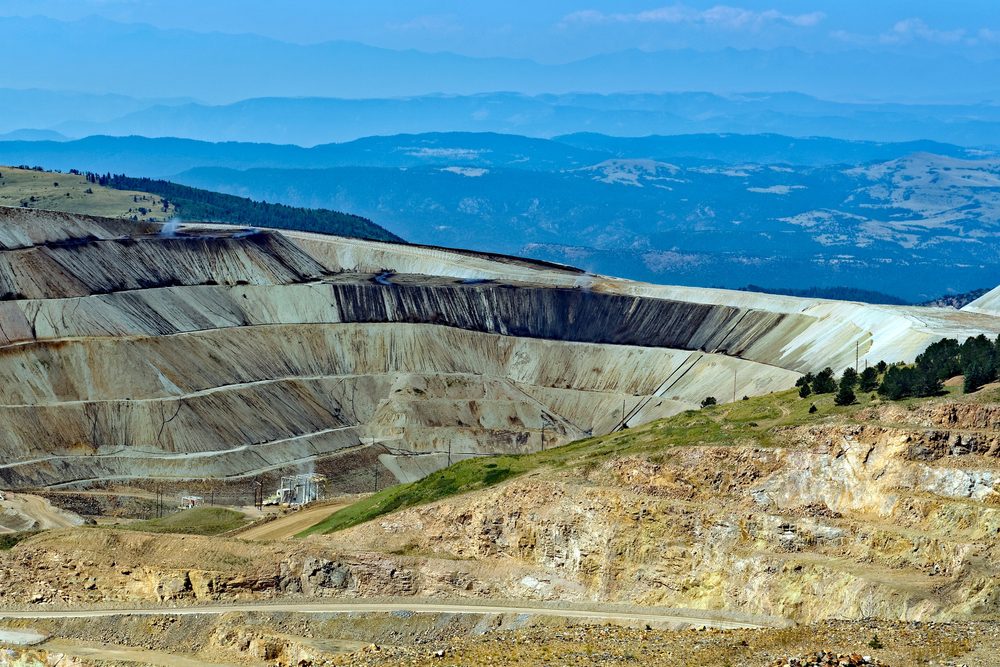
While the high-level idea seems cut-and-dry, the situation is more complex. It currently takes more than a decade to open new mines, which doesn’t solve our problems today. Additionally, even if the U.S. mined more copper, we don’t have the capacity to efficiently refine and process it.
However, the CDA also acknowledged the amount of red tape tied to the mining industry. The group suggests removing certain barriers to help meet the country’s expanding needs while still promoting environmental stewardship.
Meanwhile, investors, industry leaders, and other insiders have taken a glass-half-empty approach to the global situation.
According to them, copper suffers from a supply-and-demand problem. Demand is rising because of data centers, electrification, and cleaner electricity generation options. Each of these industries is copper-intensive, but necessary as we march toward our climate and technology goals.
If our current supplies aren’t meeting global demand, the market tightens and prices increase. And, as we saw, prices rose steadily throughout 2025.
Worse yet, some experts believe today’s volatile copper prices are the result of predictions that won’t come to fruition until 2050.
Let’s not sugarcoat it; copper supply issues are nothing new. We’ve been highlighting them in some form or another for years, so what makes this latest turn remarkable?
Unlike previous spikes tied to specific events, the rapid rise in copper demand isn’t related to one thing. Instead, mining companies find themselves caught in a technological revolution stretching across nearly every critical industry. With so much new tech to explore and rapid global development, competition is high.
To that end, the supply chain must evolve quickly to keep pace, but that’s the challenge. According to the International Energy Agency (IEA), our current mine pipeline may create a 30% supply shortfall by 2035. Add in poor copper ore grades, more expensive projects, fewer discoveries, and long lead times, and it’s a recipe for trouble.
For years, economic experts have used copper as a bellwether illustrating economic performance. When the economy is performing well, copper demand rises, pushing prices higher.
Unfortunately, copper, like many minerals, is a finite resource. Recent data from Deutsche Bank suggests mine supplies will only increase by about 1% in 2026, leaving the market in a deficit.
“It’s easy for people to say, “just open more mines,” but the reality isn’t as simple as putting shovels in the ground,” KrisTech’s Director of Supply Chain, Marcus Tagliaferri, said. “It can take more than 15 years to open a new mining operation in the United States.”
Current mines face declining ore grades, resulting in doing more work for fewer results. And those companies doing research and development to track down new mining spots? The number of copper discoveries is dwindling, and finding one now feels like finding a needle in a haystack.
Luckily, artificial intelligence can crunch numbers and other data instantly.
KoBold Metals uses problem-solving AI to analyze data in real time to determine whether mining sites have potential. Its company is currently investigating dozens of sites and has already found success, including a massive site in Zambia. Since launching in 2018, KoBold has raised more than $500M in funding to develop and refine its AI systems and processes.
As AI gains momentum, it could address the mining industry’s long-standing research and development problem. For years, a combination of underinvestment and harder-to-access deposits has slowed discoveries. If AI can use its incredible computing power to improve success rates, it could lead to new sites worth billions of dollars.
The AI hypetrain is gaining steam, but the push for smarter, faster technology is putting a strain on copper.
Though it isn’t as important as food, water, or shelter, copper has become a critical part of our daily lives. As a result, private companies and governments are shoring up supplies to maintain production output. Of course, the added competition and importance come at a cost. Prices will likely rise as we increase pressure on current stockpiles and mining companies struggle to keep pace with demand.
In the meantime, we can reduce the need for new copper by improving recycling techniques and diversifying vendor partnerships.
By now, most of us are familiar with how fickle the copper supply chain is.
The current supply chain is already tight, but one incident can push the entire industry to its limits. For example, a September 2025 mudslide at the Grasberg mine in Indonesia killed seven workers and shut down operations. Not only was there an incredible loss of life, but it also sent ripples through the copper industry. Freeport-McMoRan, the company operating the mine, noted that 2026 production could fall by as much as 35%.
While the Grasberg incident is an extreme case, copper mines generally face numerous risks. Whether it’s political tension, environmental concerns, or difficult-to-access minerals, anything can happen. When it does, the market quickly responds with higher prices and a rush on existing stock.
If AI is truly the future, then it’s worth integrating it into our future critical mineral plans.
It’s easy to say we need more domestic copper mining, but we can’t magically find an easy-to-source copper cache. Extended startup timelines leave us scrambling to meet current demand, putting us in a difficult position. Worse yet, mining is only one part of the equation — how do we process it once it’s out of the ground?
The United States is home to a handful of smelters and refineries, but many of them lack upgraded technology. Without those upgrades, refineries are less efficient, limiting production and profits. The good news is help is coming for the industry. The USGS recently designated copper a critical mineral, opening the door for government and private investment.
Another potential avenue worth exploring is copper recycling. Sometimes called “urban mining,” recycling has room for growth, making it ripe for investment.
Unlike copper ore mining, which is expensive, time-consuming, and low quality, recycled copper doesn’t face those problems. Recycled copper is of higher quality than newly mined copper ore and requires less processing. Basically, it takes a lot less energy to yield a ready-to-use product.
The result is a faster turnaround for these materials, allowing companies to return them to the supply chain quickly.
China is one of our biggest technological competitors, but it also largely controls the refined copper market.
The East Asian powerhouse controls a large portion of the global smelting market — not just for copper, but for many other minerals. That wrinkle means China can manage the flow of copper and other critical minerals — something it has already done recently.
Our need for copper extends far beyond AI, reaching into nearly every facet of our lives. Without a steady copper supply from all our global partners, it’s harder to keep up with development and innovation. And as constraints deepen, our development of everything from smartphones and AI to munitions and military equipment suffers.
Focusing on domestic production could reduce our dependence on China, improving our own standing. However, just because the U.S. is producing more copper doesn’t mean China is on the sidelines. Our relationship with the Chinese is crucial to maintaining a steady flow of critical minerals, including rare earths.
No two days are alike in the copper market, especially with every country, company, and industry jockeying for position.
“The easiest thing we can do these days is simply stay informed,” Tagliaferri said. “Read industry news, follow the experts, and be ready to respond to changes quickly. Companies that lag behind or don’t pay attention may find themselves behind the eight ball.”
We should also be ready for any number of surprises, including rapidly changing prices and supply uncertainty. Remember, it only takes one issue to throw the entire supply chain into a short-term panic. The best way to avoid these situations is to develop partner relationships throughout the supply chain. That way, when things do happen (and they will), it’s possible to source materials and negotiate better terms.
AI has joined a growing chorus of innovations that all require copper for their survival. As we innovate, the need will only become greater, and companies that build strong supply chain networks will thrive.