KrisTech offers a comprehensive line of wire and cable products engineered for performance and reliability across every application.



Supply Chain
By Gino Geruntino | Reviewed By Marcus Tagliaferri
Dissecting the 2026 Trucking Industry Landscape
For those of us keeping score, 2026 has NOT been a great year for truckers, carriers, and the trucking industry.
From rising diesel costs and trucker shortages to fewer carriers, the industry seems to be in a funk. Worse yet, most of the problems we’re seeing today have been years in the making, but today's added stress only makes things worse.
American companies depend on truckers to move products quickly and safely, but what happens when the companies we rely on to keep the economy moving struggle themselves?
A Hard Few Years...
More than 91% of carriers operate 10 or fewer trucks, meaning most companies are small owner-operator teams. When operating expenses rise, smaller carriers may withstand short-term costs, but eventually, those struggles spread throughout the supply chain.
Some expert projections suggest truckload costs may rise into 2027, causing trouble for shippers, manufacturers, and distributors. Most often, it means cutting back on shipments, investing in different transportation methods, or weathering short-term service disruptions.
What can supply chain managers do to navigate the environment and stay ahead? It starts with understanding labor markets, fuel costs, and regulatory pressures.
Facing the Ongoing Truck Driver Shortage
Bureau of Labor Statistics (BLS) data from June 2026 suggests there were 4,400 fewer truck transportation jobs in May 2026 than in April. Though it seems like a small drop month-to-month, the problem gets worse as you zoom out.
In March 2020, when COVID-19 began wreaking havoc on the world's supply chains, roughly 1.516 million people worked in truck transport. After a short drop, the trucking industry eventually swelled to 1.588 million in late 2022.
Since then, the industry has stabilized at around 1.47 million, just short of pre-pandemic levels.
Changing CDL Rules
In March 2026, new non-domiciled CDL rules took effect, directly impacting non-U.S. workers (excluding Canada and Mexico) with H-2A, H-2B, and E-2 visa statuses. Under the rules, a driver’s immigration status is directly tied to their license. Asylum seekers, refugees, and DACA recipients cannot renew or apply for a CDL.
Employers must now closely track visa expiration dates to determine whether an employee's CDL is valid. Renewals also now require in-person visits and updated immigration information. And if states can’t verify a person’s status, they must downgrade or cancel a driver’s license.
All told, the rule could impact up to 200,000 U.S. CDL holders. The move also affects hiring, since the stricter compliance standards lengthen the time to hire.
New Hires, Same Stigmas
The jury is still out on what the new CDL changes will do to carriers, but the industry has plenty of other concerns.
Both government and industry data agree that the average age of truckers has increased over the last two decades. As the average age rises, more of the workforce inches closer to retirement. But despite thousands of open jobs and plenty of opportunity, trucking jobs go unfilled for several reasons.
For years, carriers have struggled to find recruits, mostly because of current rules and generational stigma. Trucking careers sometimes mean being away from home for days at a time and working long hours with little free time. It also means sitting for long stretches, navigating stressful traffic, and dealing with unsafe situations. Over time, it can take a toll on the human body.
Carriers have been trying to recruit younger drivers through several methods, including sign-on bonuses, promoting work-life balance, and educational opportunities. However, reversing negative perceptions doesn't happen overnight, despite rising pay and more attractive positions.
Fuel Cost Fiasco
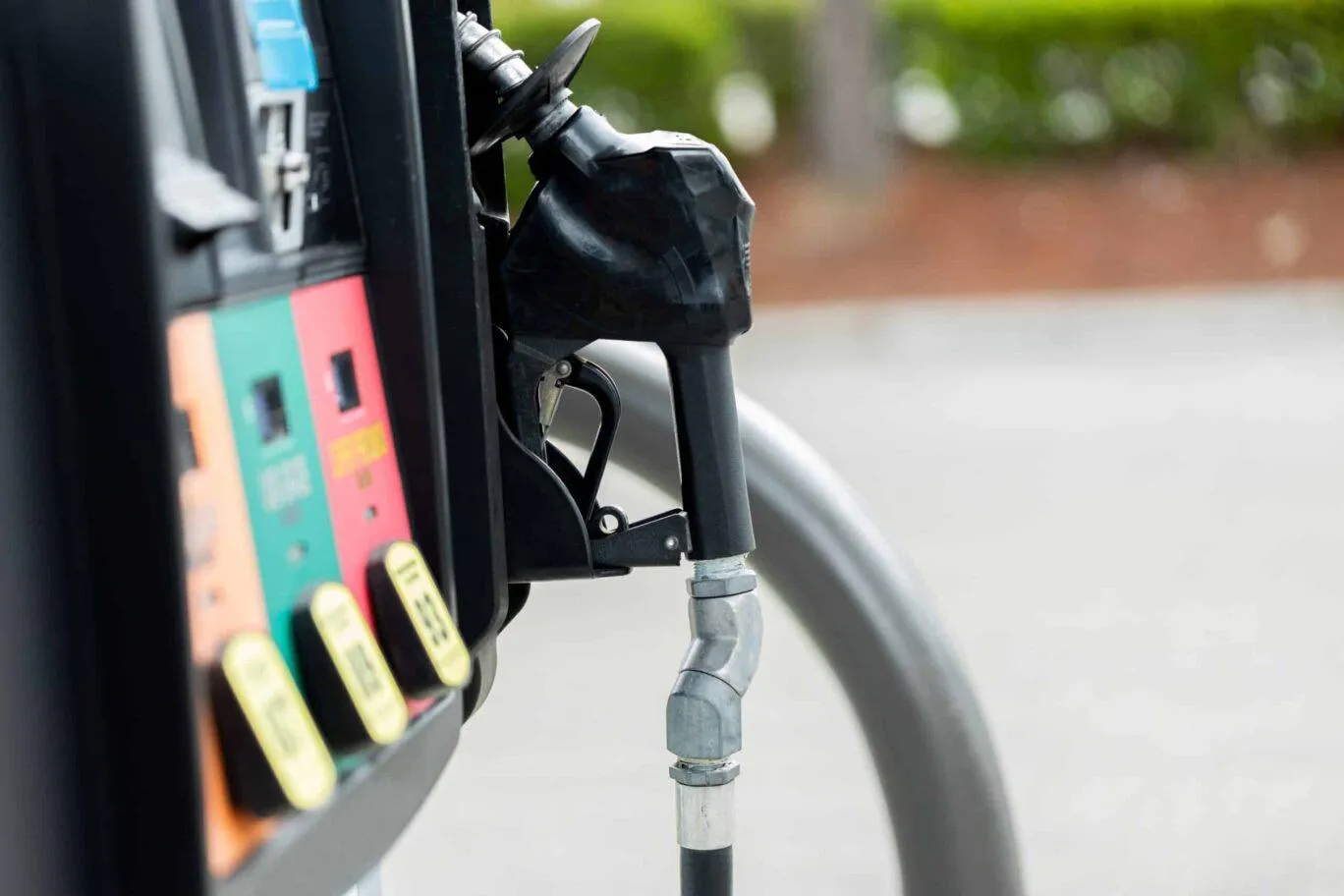
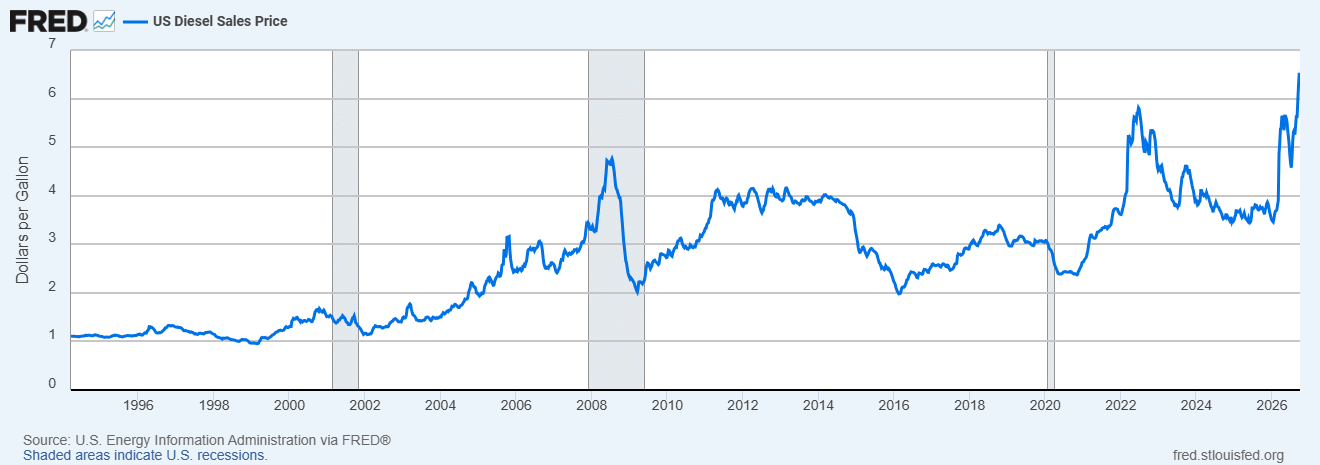
Fuel is single-handedly the most volatile variable for most carriers. After hovering below $4 a gallon for nearly two years, diesel costs spiked after the conflict with Iran began. Prices have stayed high, squeezing smaller companies.
Diesel prices have a massive impact on trucking companies. Trucks cost money to operate, whether they're idle, carrying a partial load, or driving empty.
Diesel Prices Directly Impact Operations
Fuel costs factor into every facet of operations, from base pricing structures and empty-mile processes to pickup decisions.
When diesel prices soar, it compounds issues for carriers and shippers. For example, higher fuel prices may lead to increased surcharges on invoices and higher carrying costs. To cover lost margins, carriers may raise freight rates for spot and contract pricing.
Spot pricing is more variable than contract pricing, leaving shippers paying higher rates. Surprisingly, spot rates have risen above contract rates for the first time in several years. This shift gives carriers an additional leg up in negotiations, but also signals supply-side contraction.
If prices stay high for long enough, carriers could permanently change the services they offer. This could mean reducing or dropping less profitable routes to focus on money-making ones. It could also mean limiting long-haul and heavy-duty shipment offerings.
Frightening Freight Costs
So, what happens when you combine an ongoing driver shortage with out-of-this-world fuel prices?
Ultimately, we expect pressure throughout the global supply chain, pushing suppliers to fight harder and pay more for limited capacity. Today's climate is hurting some shippers as freight costs have skyrocketed.
Fuel prices are up nearly 60% year over year, putting immediate pressure on carriers' bottom lines. At the same time, carriers don't have a shipping demand boom to help cover higher operating costs.
In the past, high trucking capacity and low shipping demand kept rates low, giving shippers an advantage during negotiations. But the tide has changed in 2026, giving carriers more leverage. Tender rejection rates hit 15%, the highest since 2022. We've also seen more small carriers leave the market, tightening overall capacity for shippers.
So far, the result has been higher rates for shippers and more selectivity from carriers:
- Van spot pricing is up more than 44% compared to 2025, sitting at around $3.00
- Flatbed pricing is up 39% compared to 2025, at about $3.57
- Reefer rates are at $3.59
"The tightening capacity environment has made same-day full truckload shipments more difficult and costly than in recent years,” KrisTech’s Director of Supply Chain, Marcus Tagliaferri, explained. “We've responded by working further ahead, targeting full truckload bookings two to three days in advance. That additional planning time benefits everyone involved by giving carriers more opportunity to position equipment, helping control costs, and ensuring our customers receive the most reliable service possible."
Though rising spot and contract rates often mean better pricing for carriers, they still face high operating costs and slow payment times. Small carriers can’t wait for checks to come in while they keep trucks on the road. The result is a continued stream of small operators leaving the industry.
Tariffs Impact Trucking
Tariffs increase the price of imported goods, potentially leading to fewer imports and higher consumer costs. Higher prices for goods may lead to fewer or smaller orders, reducing shipping demand.
It also doesn't help that tariffs increase maintenance expenses for trucking companies. Whether it's a new trailer, truck, or component, anything crossing the border into the U.S. becomes more expensive. And while some tariffs are temporary, others have far longer-lasting impacts, forcing companies to plan around them.
We know tariffs impact supply chains in different ways, but they always force partners to do one of several things:
- Stay the course, eat the costs, and continue shipping as normal.
- Maintain the same partners but reduce or delay shipments because of rising expenses.
- Find new partners in countries with fewer tariffs or work with domestic companies to eliminate them.
In another twist, some companies may try to get a jump on impending tariffs and increase orders before they take effect. When this happens, it artificially boosts trucking and shipping as carriers rush to move the lower-cost products. Similarly, the massive influx of shipments bleeds into other supply chain links, including warehousing, sourcing, and distribution.
Though it sounds like great news for the supply chain, the joy is somewhat fleeting. Once the initial wave ends, companies adjust inventories, operations, and labor to meet current market demand. At that point, carriers face smaller shipments and fewer requests until the supply chain eventually evens out.
Next Steps
The trucking industry's issues aren't unique, but the combination of factors could give people pause. However, it’s entirely possible to make the best of a difficult situation.
“Organizations navigating today's trucking environment most effectively are those that balance cost with reliability,” Tagliaferri said. “While fuel prices, labor shortages, and regulatory changes continue to create challenges, strong carrier relationships, diversified transportation strategies, and proactive planning help build resilient logistics networks that can adapt as market conditions evolve."
Shippers can lock in rates with contract pricing, though they may risk diesel prices falling dramatically. One option might be to lean into dedicated contract carriage, working with a specific motor carrier to ensure trucks and drivers are available when needed.
Companies that want to stick with spot rates have other options available, including intermodal routes. Intermodal routes combine different types of shipping, relying on ships or trains, to move products long distances. Trucks wouldn't come into the picture until the last leg of the delivery. Though the trucking carriers wouldn’t be part of the long-haul phase, they’d enjoy shorter, higher-margin last-mile routes.
As with anything in life, no one should put all their eggs in one basket. Shippers should have diverse options and find more affordable alternatives when necessary.
Finally, it makes sense to build in a safety net to absorb higher freight costs. As we've seen in the past, some rate hikes are temporary, but others become permanent over time. Adjusting budgets helps lessen the sting of higher freight costs while preventing delays during negotiations.
The American trucking industry won't improve overnight, but it isn't facing dire straits, either. Navigating the situation means supply chain managers must think on their feet, mitigate risk, and manage costs and potential service issues.