KrisTech offers a comprehensive line of wire and cable products engineered for performance and reliability across every application.




Explanation
By Gino Geruntino | Reviewed By Glenn Rothe, David Albright
Essential Electrical Safety & Compliance Resources for Electricians
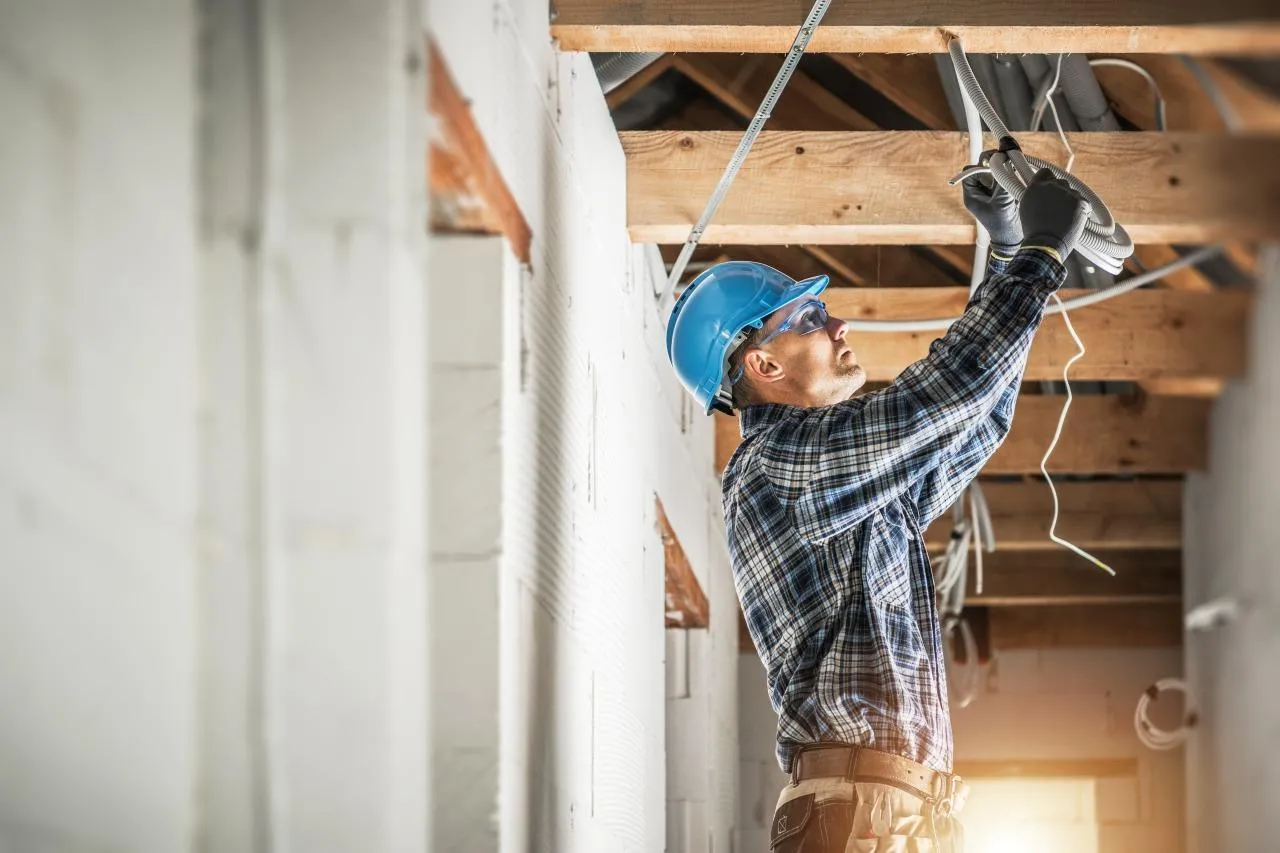
Safety is always a top priority when working with electricity and electrical systems. One wrong move can turn an everyday installation project into a dangerous, or even fatal, situation.
But working safely on the job site involves more than avoiding crossing wires. Understanding basic electrical safety rules and processes and putting them into practice can have far-reaching impacts, including:
- Protecting workers and bystanders from harm
- Preventing fires and other damage caused by poor connections or workmanship
- Keeping expensive and important equipment performing well
- Reducing project delays
- Creating safe, compliant workspaces for all employees
But what does a safe electrical jobsite look like, and where can electricians find up-to-date, relevant information? Fortunately, plenty of worthwhile resources are available. Though some information overlaps, each resource approaches safety and compliance from a different angle.
Together, they create a powerful network of information for nearly every situation a worker might experience.
States Have Different Electrical Safety Guidelines
Unlike federal guidelines, which apply to all 50 states and Washington, D.C., there isn't one set of electrical guidelines.
According to Mike Holt Enterprises’ 2026 State Rating of the Electrical Industry, 23 of 50 U.S. states earn an A- or higher safety rating. The company's study takes into account several conditions, including:
- Mandatory apprenticeship programs
- Mandatory licensing for journeymen, master electricians, engineers, and inspectors
- Continuing education program requirements
- Whether a state has adopted National Electrical Code guidelines and, if so, which version
Though many states have adopted NEC 2020, 2023, or 2026, a handful of states, including Nevada, Missouri, Mississippi, Kansas, Illinois, and Arizona, leave the decision to municipalities. What we're left with is a mishmash of rules that could change as soon as you cross a state or county line.
Electrical Resources Provide Context
Navigating the difficult and sometimes confusing world of electrical safety and standards can feel overwhelming. Thankfully, electricians and electrical workers have several fantastic outlets for standards, processes, and support.
When combined, these resources give workers a solid understanding of regulations, installation methods, standards, and educational support. The result is safer, cleaner, and more organized projects.
Electrical Resources to Bookmark
The industry’s most trusted resources each provide valuable information meant to protect workers and promote safer installations, repairs, and maintenance.
The National Electrical Codebook (aka NFPA 70)
This expansive guidebook is updated every three years and was last published in 2026. True to its name, the NEC Codebook covers every aspect of electrical work in homes, businesses, industrial factories, and renewable energy sites.
Many industry professionals consider the NEC the U.S. standard for electrical projects, especially for project designs, installations, and inspections. However, the NEC is a model code and not a direct set of regulations, so electricians should consult the NEC alongside their local Code Department.
National Fire Protection Association (NFPA 70E)
NFPA 70E is the standard for Electrical Safety in the Workplace and works tandem with the NEC.
This document covers safe work practices and maintenance requirements, and explains how to safely work around batteries, lasers, and other electronics.
One of the most important lessons NFPA 70E teaches electricians is never working on an energized system, except in specific cases. For example, NFPA 70E covers proper lockout/tagout procedures and what workers should do if they can't deenergize a system, like during troubleshooting.
This section also includes content about the Hierarchy of Risk Controls and Arc-Flash Boundaries.
OSHA (Occupational Safety and Health Administration)
Although it's not dedicated specifically to electrical work, OSHA regulations ensure workplaces of all types operate as safely as possible.
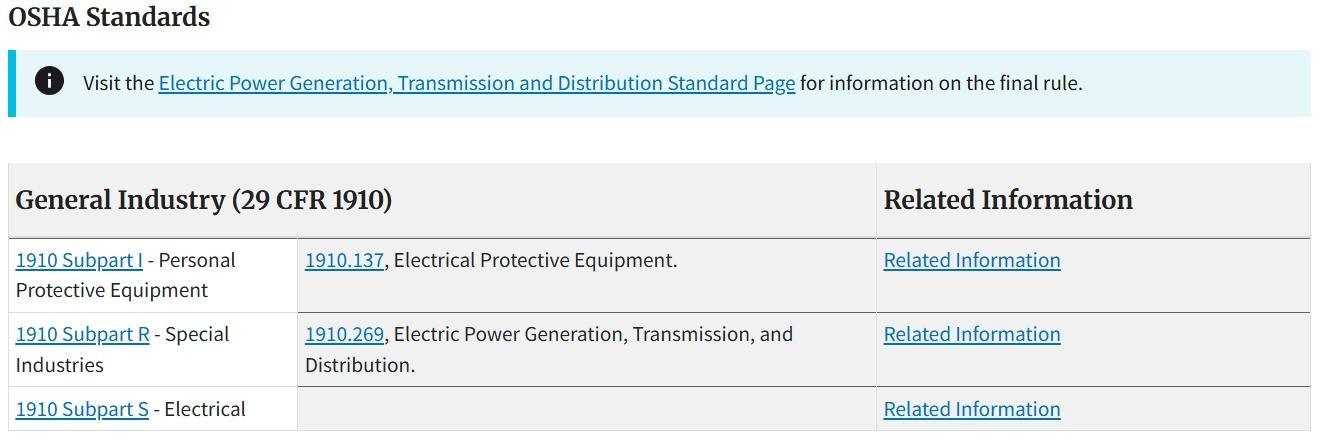
OSHA oversees every workplace, including construction sites and places where electrical work might not always be happening. Additionally, unlike NEC guidelines, OSHA regulations are legally binding. This means when workers or companies violate OSHA regulations, they generally face steep fines and other penalties.
For the average electrical worker or electrician, OSHA (specifically 29 CFR 1910 & 1926) offers a powerful resource to learn more about compliance issues, hazard controls, and prevent jobsite injuries.
National Electrical Contractors Association (NECA)
NECA focuses on the business side of electrical contracting, including adhering to safety regulations and other rules.
Among NECA’s most valuable resources is the National Electrical Installation Standards™, or NEIS. Unlike the NEC, the NEIS helps electrical workers and contractors determine what good workmanship looks like in electrical construction. Today, NECA’s NEIS has 46 ANSI-approved installation standards, packed with information about quality craftsmanship.
NECA also helps with creating and maintaining NEC guidelines, giving electricians a seat at the table for future codebook iterations. As another bonus, the NECA/NEC relationship offers contractors an easy way to stay ahead of and prepare for possible NEC changes.
International Association of Electrical Inspectors (IAEI)
The IAEI is known for publishing training guides that help electrical workers and installers understand new NEC changes. While the NEC guidebook can sometimes be dense, intimidating, and complex, the IAEI's guides break everything down into easy-to-understand language and illustrations.
Beyond high-level information breakdowns, workers have access to plenty of training and educational opportunities. These continuing education programs help hone skills and improve jobsite safety through certifications, exam prep, and more.
Your Local Code Department
One of the best partnerships an electrician can build is with their local Code Department. If you have questions about procedures, permitting, processes, or general safety, a Code Enforcement Officer should have answers.
Though the NEC's rules often provide a strong baseline for electricians, they may not always be the law of the land for the municipality. Occasionally, municipalities approve local amendments that add, remove, or modify existing standards.
Working closely with your local code department helps you follow local rules and stay aligned with permitting, building codes, and enforcement rules.
Powering Safe, Secure Installations
Electrical work is dangerous, but workers have plenty of resources to make their jobs and lives a little easier.
By relying on multiple sources of information, electricians get a 360-degree view into every facet of their work. Most importantly, they build and maintain a variety of skills, leading to safer installs, higher-quality work, and fewer code violation delays.